Focus “New Beginnings”
Jewish history is marked by many “new beginnings.” Changing socio-political conditions, ruptures, personal changes, and the shifting relationships between minorities and majorities have always required collective and individual departures and negotiation processes. With this new “focus”, we would like to draw attention to these various “new beginnings” and the questions associated with them within Jewish history and illustrate how complex and profound they could be for the people themselves, but also for historiography. At the same time, the examples here presented show that “new beginnings” do not take place in a vacuum; they are inherently characterized by ruptures and continuities.
The sources here presented originate from various digital projects and shed light on a wide variety of “new beginnings” over a long historical period. These “new beginnings” range from the first settlements in Brandenburg in the 13th century, the emergence of liberal Judaism and the reorientation of Orthodoxy at the beginning of the 19th century, the founding of a Jewish student fraternity in Breslau in 1886, to literary descriptions of a developing modern (Jewish) consumer and urban society in West Berlin at the beginning of the 20th century, and the debate on the introduction of women's suffrage in the Jewish community in Hamburg in 1923. For many Jews, however, a new beginning in Erez Israel/Palestine was also central, which is why they went to Hachshara and prepared themselves for emigration there. Many examples are devoted to forced “new beginnings” due to Nazi persecution and extermination policies, such as attempts at new beginnings in exile, for example in the Netherlands or Brazil. The reestablishment of the Jewish congregation in Hamburg exemplifies the reconstruction of Jewish life after 1945, the reopening of the University of Leipzig, and the two interviews with Hilde Eisler and Thomas Brach exemplify new beginnings in the GDR and after the fall of the Berlin Wall in the Federal Republic of Germany, respectively. New beginnings can result from larger socio-political developments or be determined individually; they can be an expression of hope, search, or uncertainty; they can succeed or fail. The examples presented here are intended to provide insights into these diverse variations of a “new beginning.”
350 Jahre Juden in Brandenburg
 juden-in-brandenburg.de/350-jahre-wiederansiedlung-der-juden-in-brandenburg
(Hi)stories of the German-Jewish Diaspora
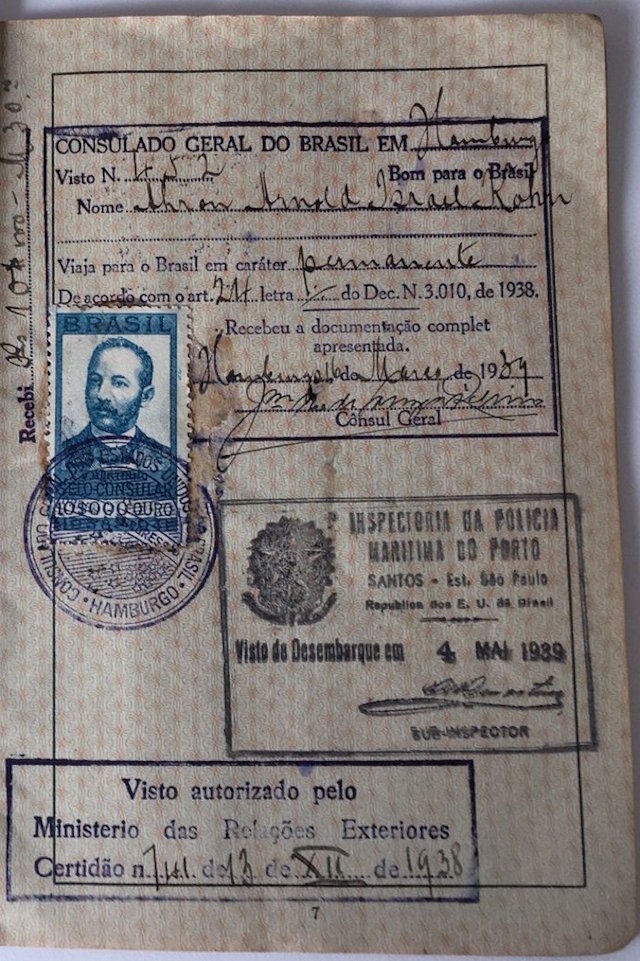 diaspora.jewish-history-online.net/beitrag/gjd:article-24
Copernico: Jewish Life
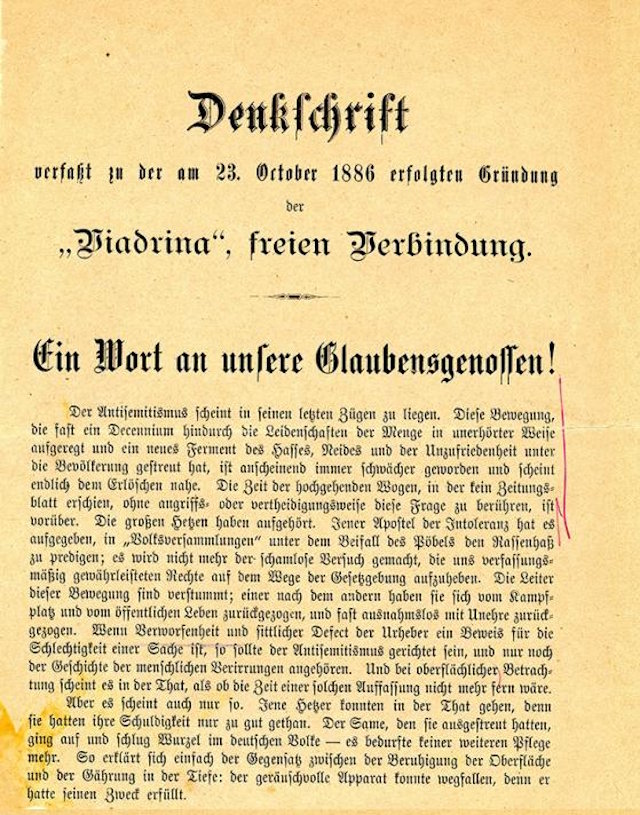 www.copernico.eu/en/link/6515c4ac013e71.84859358
Key Documents of German-Jewish History
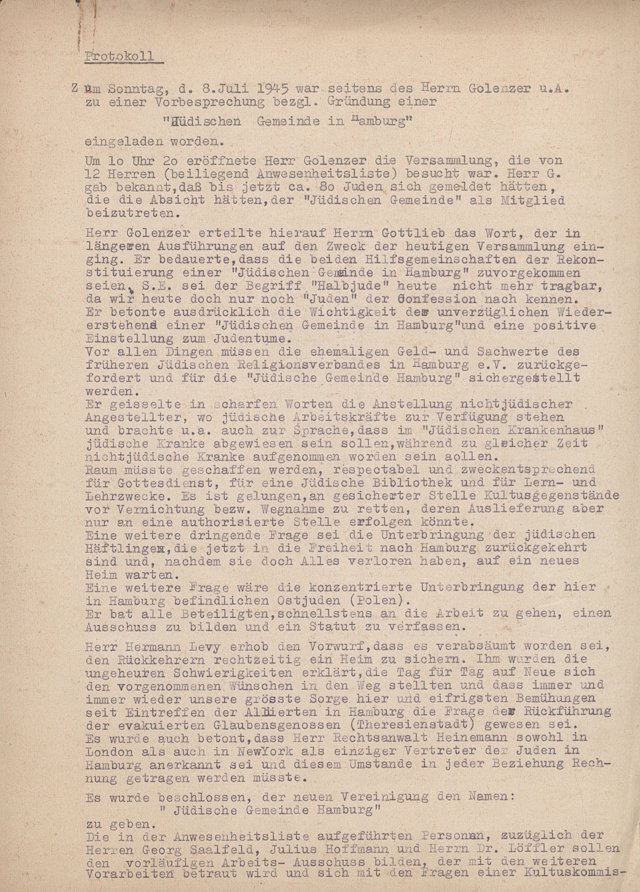 keydocuments.net/source/jgo:source-69
Drillingsberichte
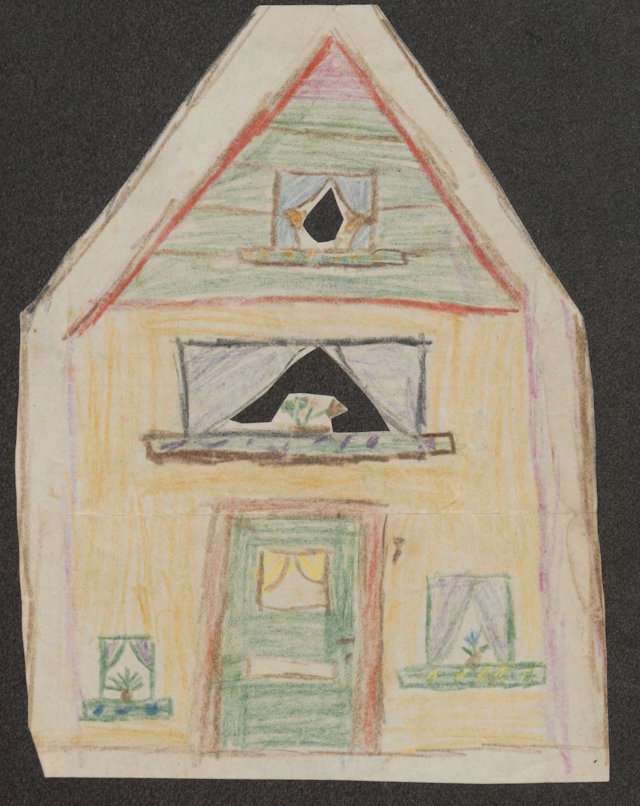 bijzonderecollecties.ubn.ru.nl/digital/collection/p21010coll1/id/205
Key Documents of German-Jewish History
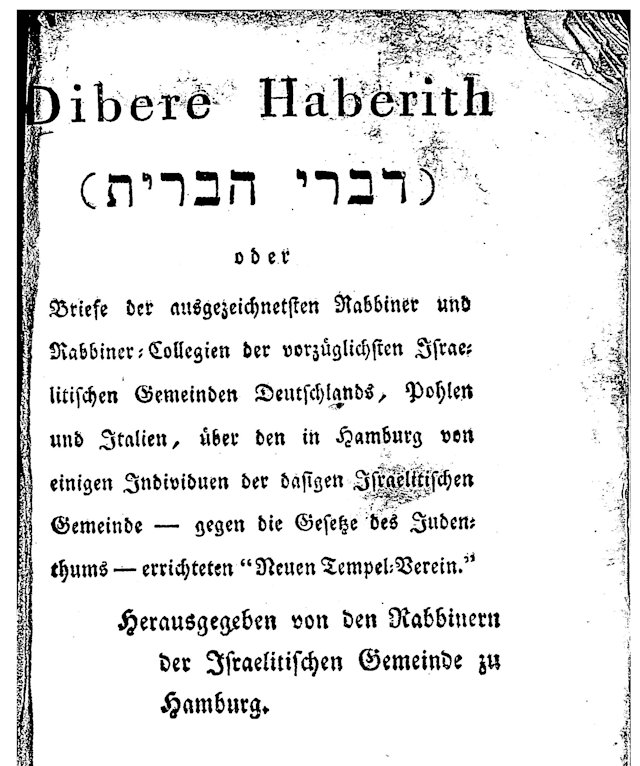 keydocuments.net/source/jgo:source-23
Jewish Textual Architectures
 jewish-textual-architectures.online/source/jta:source-10
Jüdische Gelehrte an der Universität Leipzig
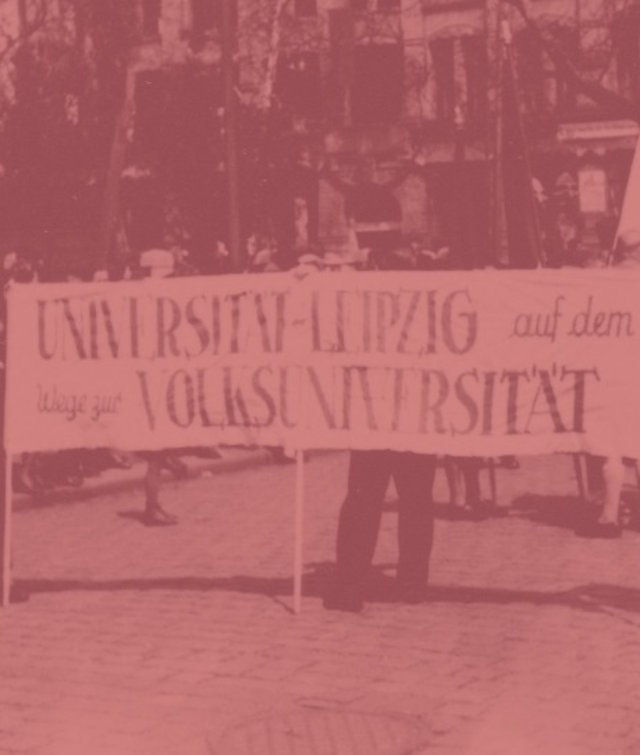 gelehrte.dubnow.de?p=3212
Hakhshara as a Place of Remembrance
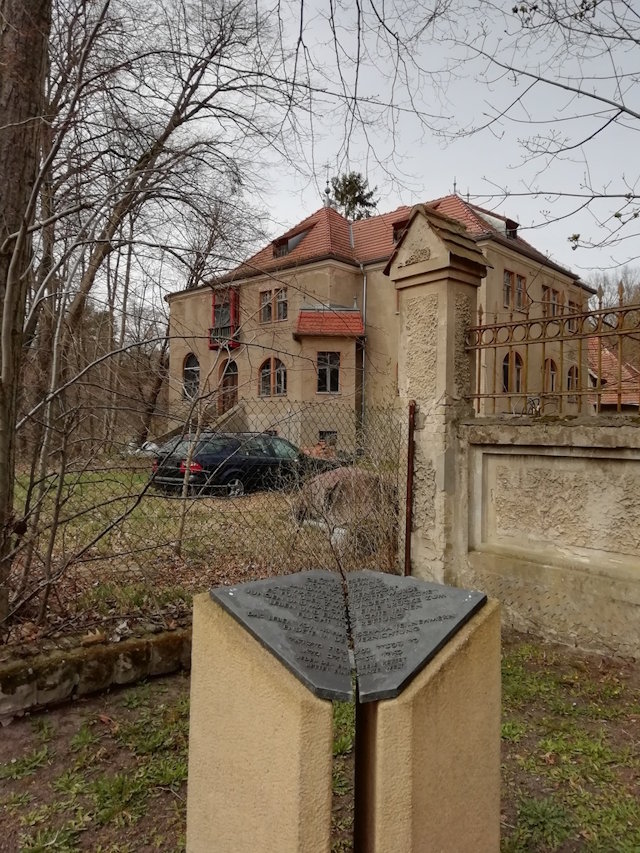 hachschara.juedische-geschichte-online.net/en/site/2
Jüdische Geschichte[n] in der DDR
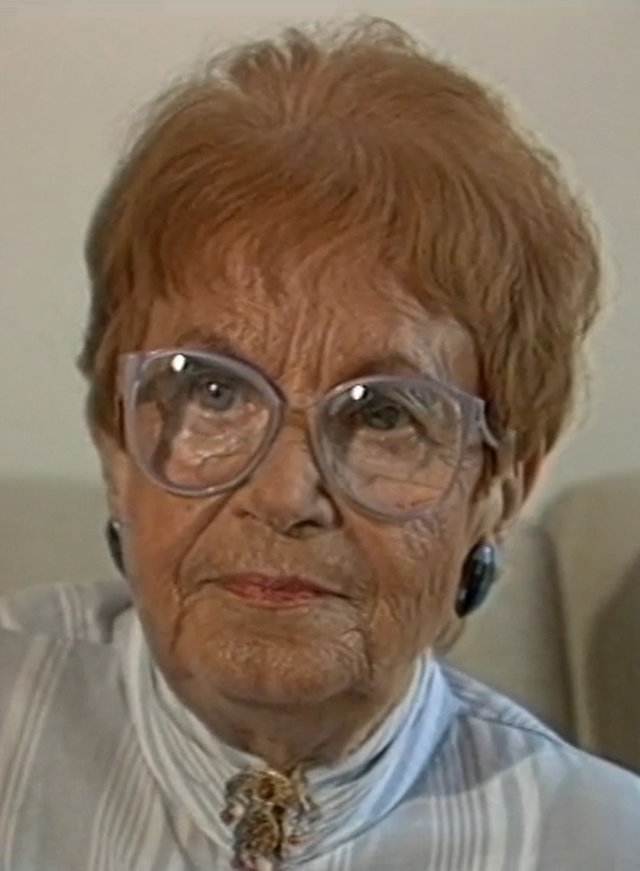 ddr.juedische-geschichte-online.net/quelle/source-31
Key Documents of German-Jewish History
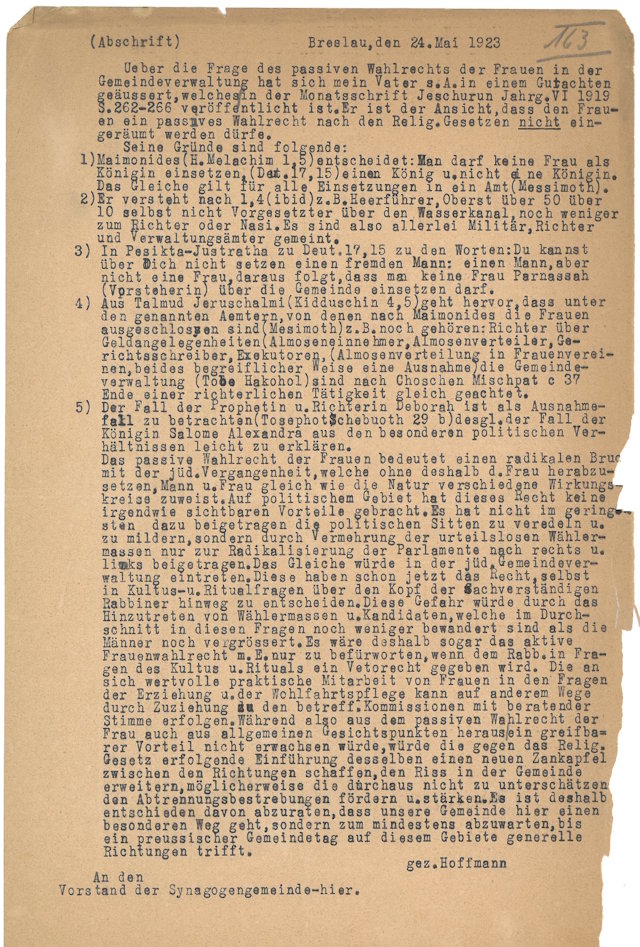 keydocuments.net/source/jgo:source-35
Jüdische Geschichte[n] in der DDR
 ddr.juedische-geschichte-online.net/quelle/source-4